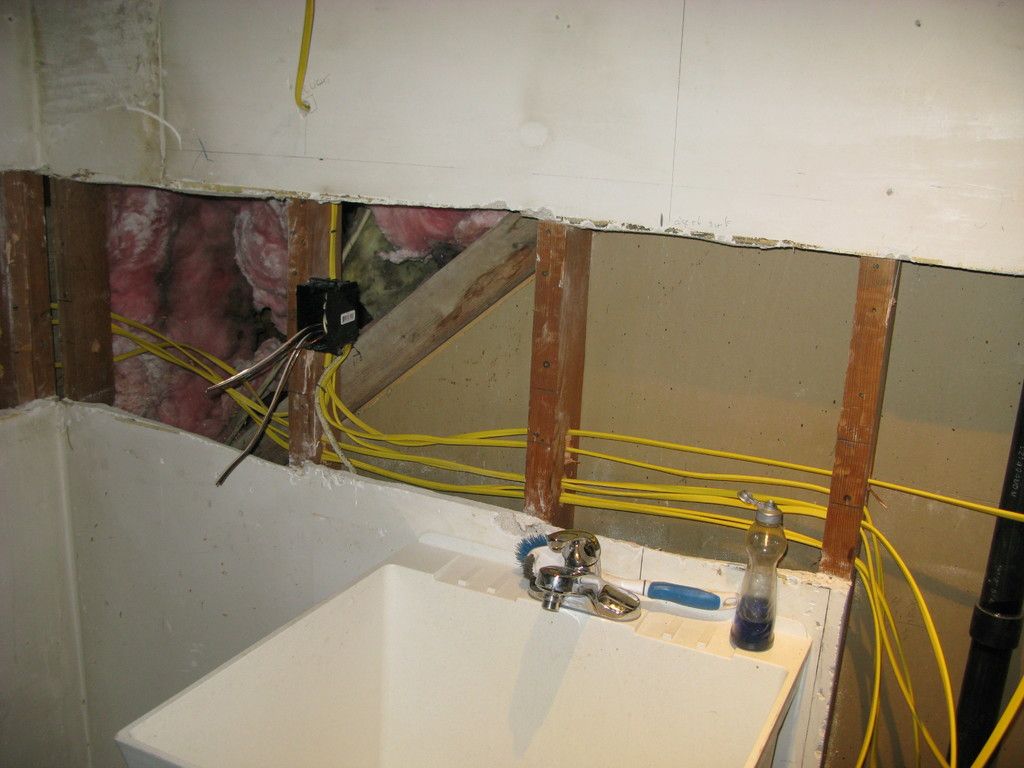
During a remodel there is a short window when the studs are bare and every wire is easy to reach. After the drywall goes up, adding a camera, a speaker or a wired access point means cutting, patching and painting. A little planning at the framing stage saves a lot of dust later.
What we pre-wire most often
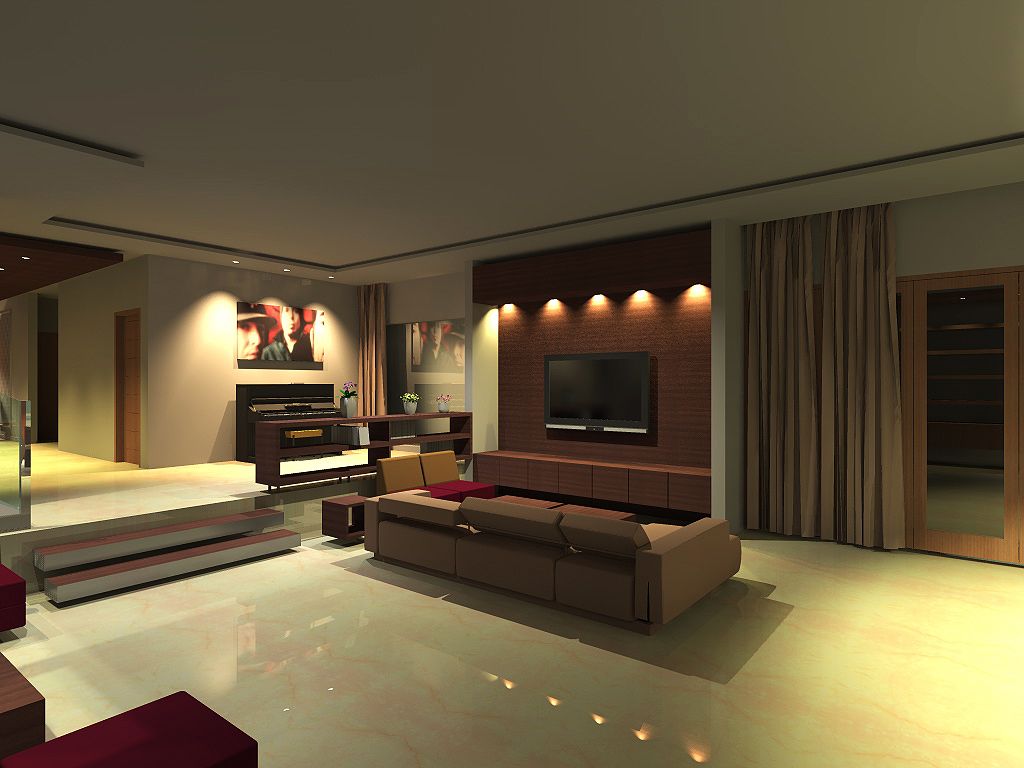
- Network cable to the TV wall, home office, ceiling access point locations and any spot where a smart hub might live.
- Low-voltage runs for video doorbells, exterior cameras and keypad locks.
- Speaker wire to ceilings and patios for whole-home audio.
- Neutral wires in every switch box so smart switches work without workarounds.
Make a wiring map
Before the walls close we photograph every wall and label each cable at both ends. You receive the map with your project files, so any electrician or installer knows exactly where things are. It is a simple step that many builders skip.
Cable is inexpensive. Opening a finished wall is not.
A central place for it all
We bring cables back to a small, ventilated structured wiring panel, usually in a basement, utility room or closet. It keeps the router, network switch and power backup in a tidy spot and makes future changes much easier.
Conduit for things we cannot predict
Smart home technology keeps moving. Running an empty flexible conduit from the panel to the attic or basement means new cables can be pulled years from now without touching your finishes.
Safety and code lead the way
Low-voltage and line-voltage wiring stay separated, penetrations through fire-rated walls are sealed properly and every run is inspected before insulation. Smart should always mean safe.